Deschooling: What It Is and Why It Matters
One of the hardest parts of beginning home education after school trauma is learning that healing does not always look like immediate academic progress.
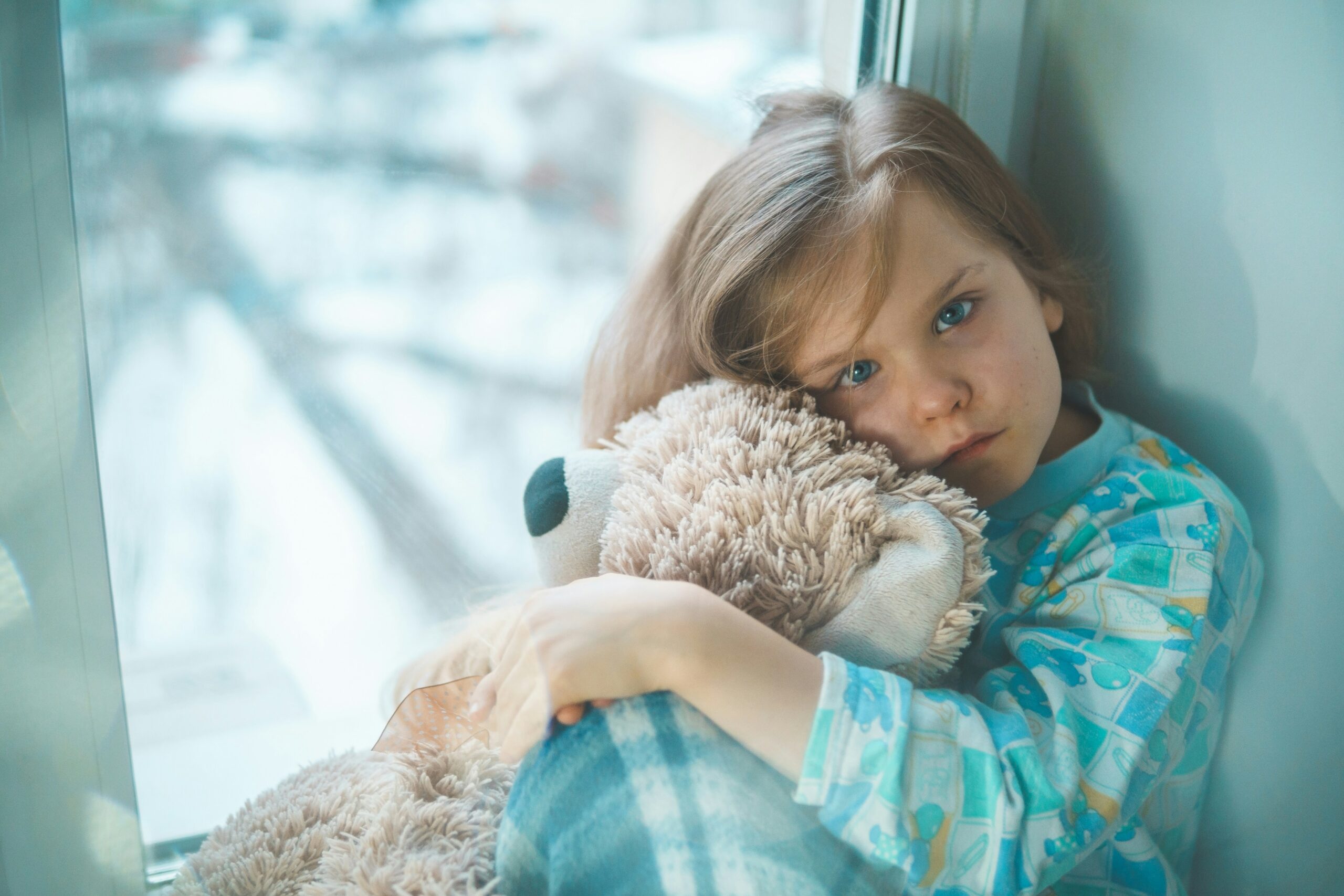
Many parents remove their child from school expecting learning at home to quickly become calm, productive, and enjoyable. Instead, they are often met with exhaustion, emotional outbursts, resistance, excessive screen time, sleep changes, or a child who seems to have completely lost interest in learning altogether.
This can feel frightening at first.
But very often, what families are experiencing is deschooling.
Deschooling is the process of decompressing from the pressures, routines, expectations, and stress responses built around school-based education. It is a period of recovery and adjustment where children begin rediscovering safety, autonomy, rest, and eventually curiosity again.
For some children, this phase is relatively short. For others — especially those who experienced chronic stress, masking, bullying, unmet needs, burnout, or emotional overwhelm — it can take much longer.
During deschooling, children may:
- sleep far more than usual,
- seek constant comfort or reassurance,
- avoid anything that feels “school-like,”
- become emotionally dysregulated more easily,
- binge interests, games, books, or favourite shows,
- appear younger developmentally for a while,
- or spend long periods simply resting and existing.
Parents often worry they are “doing nothing.”
But healing is not nothing.
When children spend long periods in survival mode, the nervous system prioritises coping over exploration. Once pressure is removed, many children finally begin releasing stress that they were holding in for months or even years.
This is why deschooling is not simply a break from schoolwork. It is often a process of rebuilding trust:
- trust in adults,
- trust in learning,
- trust in their own abilities,
- and trust that mistakes, curiosity, and rest are safe again.
For us, deschooling involved slowing life down dramatically.
We spent more time outdoors. We read aloud together without turning everything into a lesson. We followed interests instead of forcing topics. We stopped measuring every day by visible productivity. We allowed recovery to take up space.
At times it felt uncomfortable. Modern culture teaches parents to equate constant output with success, and many of us carry deep fears around children “falling behind.”
But over time we noticed something important:
without pressure, curiosity slowly began returning on its own.
Questions came back.
Creativity came back.
Confidence came back.
Not all at once, and not in a perfectly linear way, but gradually and genuinely.
Deschooling is not about abandoning education. It is about recognising that meaningful learning cannot thrive in a constantly overwhelmed nervous system.
Children do not need to earn rest before they are allowed to recover.
Sometimes the most important learning happens in the quiet spaces where a child finally feels safe enough to simply be themselves again.

Leave a Reply