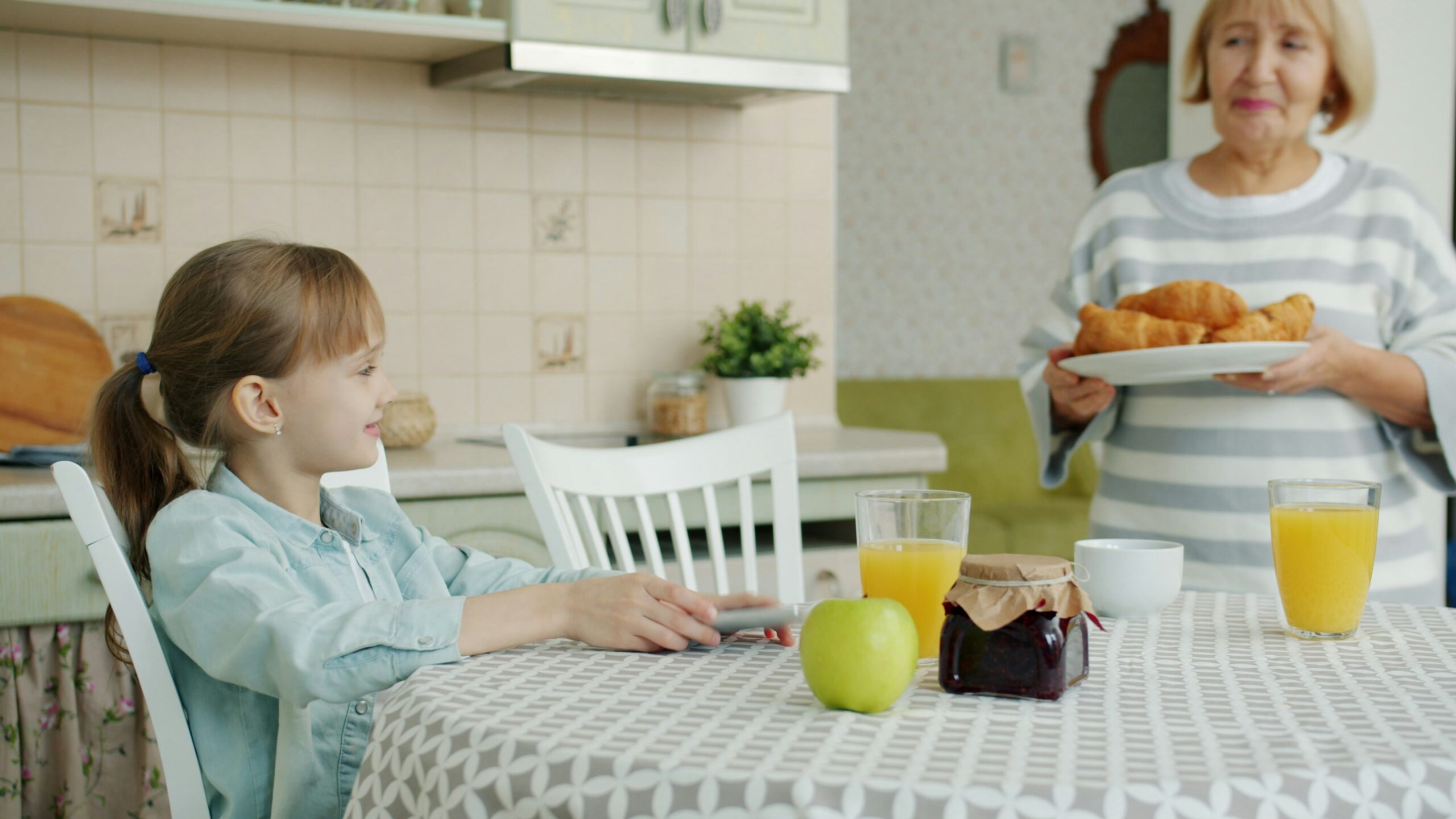
Creating Safety Through Rhythm Instead of Strict Routine
After school, many families try to replace rigid timetables with equally rigid home schedules. But for children recovering from trauma or overwhelm, strict structure can sometimes recreate the same pressure they were trying to escape.
A gentler alternative is rhythm.
Rhythm provides predictability without pressure. It creates a sense of safety without demanding performance at exact times.
Instead of:
- 9:00 maths, 9:30 English, 10:00 break…
Rhythm might look like:
- slow mornings,
- meals at roughly similar times,
- outdoor time most days,
- periods of focused activity followed by rest,
- and flexible learning that responds to energy levels.
Children who are recovering often struggle with transitions, urgency, and time pressure. Rhythm reduces these stress points while still giving the day shape.
Over time, rhythm helps rebuild internal regulation. Children begin to feel safer because life is predictable, but not controlling.
This also allows learning to happen more naturally. A child who feels regulated is far more likely to engage, explore, and sustain attention.
The aim is not perfect consistency. The aim is emotional safety with enough structure to feel anchored.

Leave a Reply